How to Protect Dog Paws in Winter: The Benefits of Paw Balm
Winter walks often come with zoomies, frosty mornings and snowy adventures but colder months place extra demands on your dog’s paws. From icy pavements to dry indoor heating, winter conditions can be tough, even for the dogs that seem unfazed by the cold.
Adding paw balm to your winter routine is one of the simplest ways to support paw comfort and help keep walks enjoyable all season long.
Why Winter Is Tough on Dogs’ Paws
During colder months, paw pads face a combination of challenges that aren’t always obvious at first.
- Cold, dry air - outdoor winter air and warm indoor heating can strip natural moisture from paw pads, leaving them dry or rough over time.
- Salt and de-icing chemicals - road salt, grit and de-icers on pavements can cause 'salt burn' and stinging. Irritating paw pads and often leading to soreness or excessive licking after walks.
- Ice and frozen surfaces - walking on icy or uneven ground increases friction on paw pads, acting like sandpaper on the skin and can contribute to discomfort during longer winter walks.
Together, these factors make winter one of the most demanding seasons for paw health.
What Exactly Is Paw Balm?
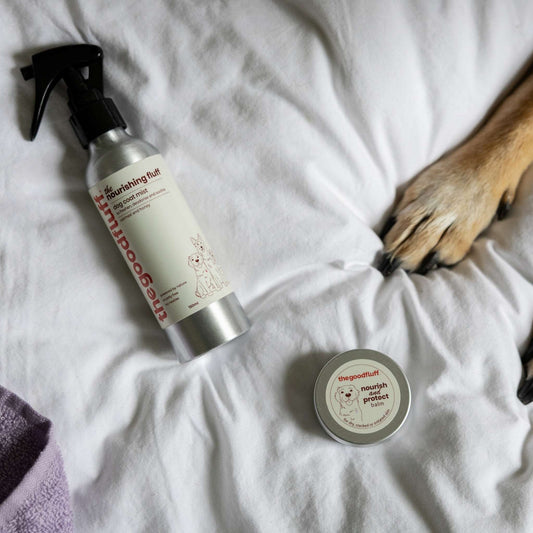
Paw balm is a topical product designed to support the skin on dogs’ paw pads, particularly during harsh conditions.
When used regularly, paw balm helps to:
- Hydrate - by locking in moisture.
- Protect - by forming a light protective barrier between the skin and salt or ice
- Soothe - helps to repair small cracks and rough texture before they become painful.
Unlike human lotions, which may contain artificial scents or ingredients that aren’t safe for dogs, paw balms are formulated specifically for dogs and their outdoor lifestyles.
Why Paw Balm Is Especially Helpful in Winter
While paw balm can be used year-round, winter is when many dog owners notice the biggest difference.
Repeated exposure to cold air, salt and ice can dry paw pads faster than the skin can naturally recover. Paw balm helps support hydration and comfort during these colder months, particularly for dogs prone to dryness or paw licking.
Different Types of Paw Protection
You may come across products described as paw “waxes” or paw “balms”.
In general:
- Wax-based products tend to sit on the surface and provide a barrier
- Butter-based, balm-style formulations often absorb more readily, supporting both protection and moisture
Choosing the right type depends on your dog’s needs and how often you’re heading out in winter conditions.
How to Use Paw Balm (Even for Fussy Dogs)
Applying paw balm doesn’t need to be complicated.
- Start with clean, dry paws
- Massage a small amount into each paw pad, applying a thin, even layer
- Pay attention to the spaces between the toes — massaging a little into the fur between toes can help prevent painful “ice balls” from forming
- Allow a minute for absorption before heading outside
For dogs that don’t love paw handling, applying balm before mealtimes or when they’re settling down for a nap can make the process easier.
Is Paw Balm Lick-Safe?
This is one of the most important considerations for any grooming product. Dogs naturally lick their paws, especially after walks, so it’s important to choose paw care products made with dog-safe ingredients that are non-toxic and designed specifically for use on paws.
Look for balms that are clearly labelled as lick-safe and made with gentle, natural ingredients. Avoid using human lotions or products with strong fragrances, as these may not be suitable for dogs.
Supporting Comfortable Winter Walks
Many dogs love winter walks and paw balm isn’t about limiting their fun. It’s about helping their paws cope with the extra demands of colder weather.
Combined with regular paw checks and awareness of winter hazards, paw balm can be a simple addition to a thoughtful winter care routine.
For more on seasonal risks, you may also find our guide to winter hazards for dogs and what to look out for on cold-weather walks helpful.