Spring Safety Guide: 5 Toxic Plants Every Dog Parent Should Know
As the days get lighter and the flowers start to bloom, we’re all excited to spend more time outdoors with our pups. But while spring brings colourful flowers and plants, it also brings hidden risks for our dogs.
At The Good Fluff, we believe dog care is about making informed, confident choices, from what goes on their skin to the environments they explore. Our co-founder, Kate, recently attended a dog first aid course, and one of the biggest eye-openers was just how many common garden plants are actually toxic to our furry friends.
Here is what you need to look out for this season to keep your dog safe and happy.
Why Spring Can Be Risky for Curious Paws
Dogs explore the world with their nose and mouths. In spring, the combination of new plant growth, curious sniffing, and more time spent in the garden creates a "perfect storm" for accidental ingestion. Even a quick nibble of a leaf or licking pollen off their fur can cause a reaction.
5 Common Spring Plants Toxic to Dogs
While many plants are completely safe, these five are commonly linked to toxicity in dogs. Awareness is your best defence.
1. Lilies
Certain varieties are highly toxic. While famous for being dangerous to cats, they can cause significant gastrointestinal upset in dogs. Note: Even the water in a vase of lilies can become toxic.

2. Foxglove
These tall, bell-shaped flowers are beautiful but contain naturally occurring poisons that affect the heart. Every part of this plant, from seed to petal, is considered dangerous. Kate had to swiftly remove her Foxgloves plants from her garden after finding out this information!

3. Sago Palm
Often used in landscaping or as indoor decor, the Sago Palm is one of the most dangerous plants on this list. The seeds are particularly toxic and can cause severe liver failure if ingested.

4. Autumn Crocus
Despite the name, these often pop up early in the year. They contain colchicine, which is highly toxic and can cause a range of symptoms from vomiting to more severe internal issues.

5. Oleander
This common ornamental shrub is toxic even in very small amounts. If you have a "chewer," it’s best to keep this plant out of your garden entirely.

Kate’s First Aid Learning: "I learned that symptoms don't always show up immediately. If you even suspect your dog has eaten something they shouldn't, take a photo of the plant and call your vet right away. Speed is everything."
The Grooming Connection: It’s Not Just About Eating
A dog doesn't have to swallow a plant to be affected. Many toxicities happen through secondary exposure:
- Pollen: Pollen from plants like lilies or tulips can settle on a dog’s coat. When dogs groom themselves later, they may ingest it while licking.
- Sap & Oils: Brushing against certain plants can leave natural oils or sap on the skin and paws, which may cause irritation or sensitivity in some dogs.
What Dog Parents Can Do This Spring:
Your Garden and When You're Out and About:
- Keep toxic plants completely out of reach or consider removing them
- Be cautious with spring bouquets inside the home
- Supervise dogs in gardens and new outdoor spaces
Your Post-Walk "Safety Ritual":
To minimise risk after a spring walk, we recommend a quick 2-minute clean up:
- Rinse & Dry: Rinse paws thoroughly to remove any hidden bulbs, seeds, or pollen.
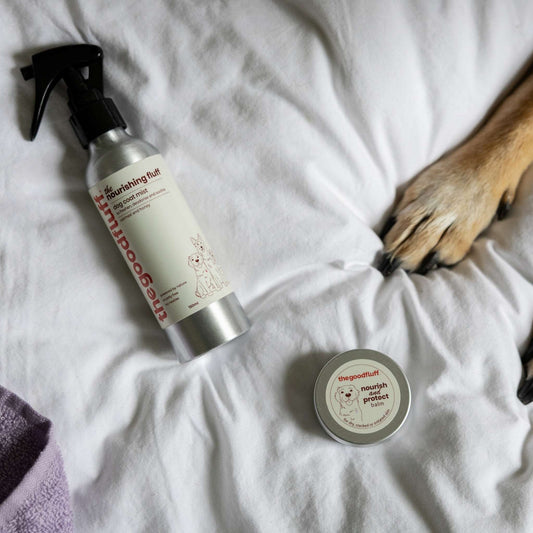
- The Mist Method: Use a natural dog coat mist on a cloth to gently wipe down their fur. This can help refresh the coat and remove environmental residue without needing a full bath.
- Protect the Paws: If your dog has been digging or walking through garden beds, a natural paw balm can help soothe and protect sensitive skin.
Signs to Watch For
If your dog shows any of the following after a walk, contact your vet:
- Vomiting or diarrhoea
- Excessive drooling
- Lethargy or weakness
- Pawing at the mouth
Final Thoughts
We’re sharing this information not to alarm, but to empower dog parents with knowledge. Spring should be a season of fresh air, longer walks, and happy moments outdoors and with a little awareness, it can stay that way.